 UAE Post
13 minutes ago Melissa Hogenboom Getty Images One overlooked factor that can help to keep your skin in better shape is what we eat (Credit: Getty Images) Plants, fats, and fermented foods can reduce wrinkles, boost collagen and improve the texture of our skin. Skin is the largest organ in the body and must last us our lifetime. In addition to keeping us looking youthful, well-cared for skin also actively benefits our wider health .
But as the barrier between our bodies and the outside world, it takes a battering. Many environmental factors contribute to skin ageing, including air pollution, ozone and a changing climate, says Jean Krutmann, professor of dermatology at the Leibniz Research Institute for Environmental Medicine. "For decades we thought ultraviolet radiation was the major driver of environmental-induced skin ageing.
We know this is not correct," says Krutmann. " Other wavelengths within natural sunlight can contribute to ageing, for example, visible light and infrared radiation." Even an increase in temperature can contribute to the process, he says. Then there's just time.
As we age we gradually lose collagen , the protein that gives our skin its structure, which can result in wrinkles. One overlooked factor that can help to keep your skin in better shape is what we eat. From healthy fats to gut-friendly fermented foods, here's a range to include in your diet. 1.
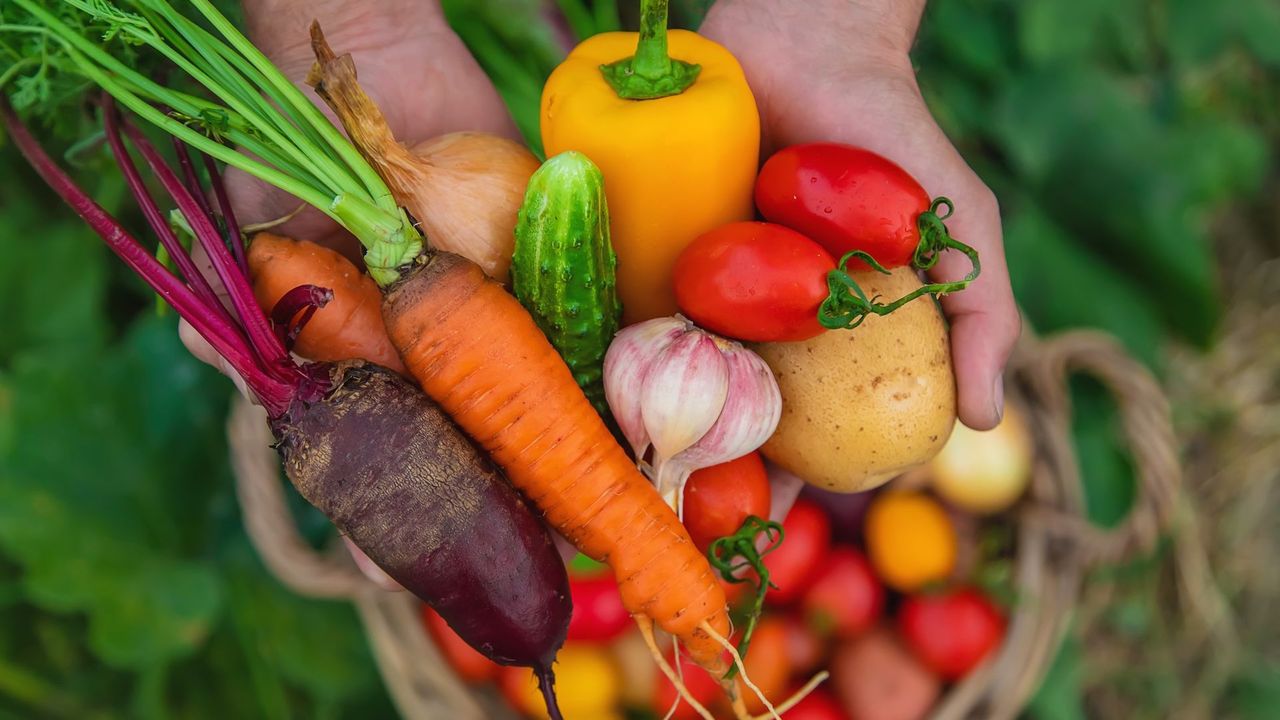
Colourful fruits and vegetables There is abundant research that a diet high in plant-based foods is important for keeping our skin healthy. It helps to aim for colourful fruits and vegetables as they contain powerful antioxidants that help protect the skin from damage caused by pollution and sunlight . Carrots, peppers and tomatoes are rich in carotenoids, including lutein, lycopene, beta-carotene.
"They are stored in the fat tissue and protect against UV rays," says Volker Böhm, a professor of food chemistry at the Friedrich Schiller University Jena. While suncream remains important, Böhm says that people tend to apply it during prolonged outdoor exposure rather than every day. Regularly consuming carotenoid-rich foods provides "a continuous baseline UV protection factor of roughly two to three all year round," he says.
Adding a small amount of healthy fat like olive oil to tomatoes or carrots helps to make it easier for the body to absorb these antioxidants. Beta-carotene can also be converted into vitamin A , which is important for skin-cell growth and protecting our skin from infection. The same pigments may also help to boost collagen.
In a small study , women who took a daily carotenoid supplement for ten months showed an improvement in collagen and elastin in their skin, suggesting it could help prevent collagen breakdown. To gain benefits, we have to eat these foods consistently, says Krutmann. "For whatever antioxidant you are eating, in order to have protection against environmental effects it usually takes eight to 10 weeks before you have a measurable effect." Mangoes have been found to keep our skin looking younger as we age.
Take a study of post-menopausal women , led by Vivien Fam at University of California Davis. Participants ate 85g (2.9oz) of mango four times per week over the course of 16 weeks. The researchers found that this reduced the size of existing wrinkles as well as the number of new ones.
More research is needed, but the researchers speculated that the beneficial effects could be down to carotenoids, as well as the antioxidants flavonoids and mangiferin. Surprisingly, the study found that eating around 250g (8.8oz) of mango per day increased wrinkles. One of the co-authors of the research, Robert Hackman, a professor of nutrition also at University of California Davis, says it's unclear why this is the case, but it could be due to the high natural sugar content in mangos.
Getty Images Eating antioxidant rich mangos could reduce visible signs of aging, according to research (Credit: Getty Images) "Our proposal is that sugar created some damage to the molecules in the skin," says Hackhan. And while the study was small, follow-up research, which has not yet been published replicated the results, he says. Mangos and citrus fruits are also rich in vitamin C.
This vitamin helps us produce collagen and also acts as an antioxidant, which can protect our skin from sun damage . Studies suggest that vitamin C may help improve skin hydration and reduce pigmentation. For this reason, vitamin C is widely used in skincare products and as a supplement, says Krutmann. 2.
Healthy fats I'm not usually a fan of almonds or walnuts but I've started chopping them up and adding them into salads, which I'm enjoying much more than expected. I'm doing so because eating plenty of nuts and seeds could benefit our skin. A small randomised-controlled study found that those who snacked on almonds for 16 weeks had less visible wrinkles compared to those who ate a different snack.
Vitamin E, which is abundant in nuts and seeds can also protect the skin from cell damage and ageing. A deficiency of this vitamin can affect skin health , including slower wound healing. Good sources include almonds, hazelnuts, pine nuts and many seed oils.
Nuts also contain omega-6 fatty acids , which can strengthen the skin's barrier to keep it more moist. More like this: Another type of healthy fat known to be good for our skin is omega-3 , found in oily fish and algae . Fish high in omega-3s include salmon, sardines and mackerel and small studies suggest they could reduce the skin's sensitivity to the sun and could therefore help protect us against damage from the Sun.
Fatty fish help preserve existing collagen and reduce inflammation . 3. Foods that benefit our gut When we eat a varied diet rich in fresh produce, nuts, and seeds, our gut microbes benefit – and so does our skin. That's because our gut health and skin are intricately connected.
Researchers refer to this relationship as the " gut-skin axis ". When we eat a diverse array of plant-based foods, the microbes in our gut release compounds that have anti-inflammatory and antioxidant properties. These affect our skin too, says Hackman.
Fermented foods, such as sauerkraut, kimchi, kombucha, or yoghurt, are also particularly beneficial for feeding our gut microbes. You may not look 30 in your 60s, but eating a healthy diet will help to give your skin the best chance of staying healthy for the years to come. Oh, and don't forget the suncream . * Melissa Hogenboom is a senior health correspondent at the BBC.
She is melissa_hogenboom on Instagram. -- For more science, technology, environment and health stories from the BBC, follow us on Facebook and Instagram .
Source: BBC